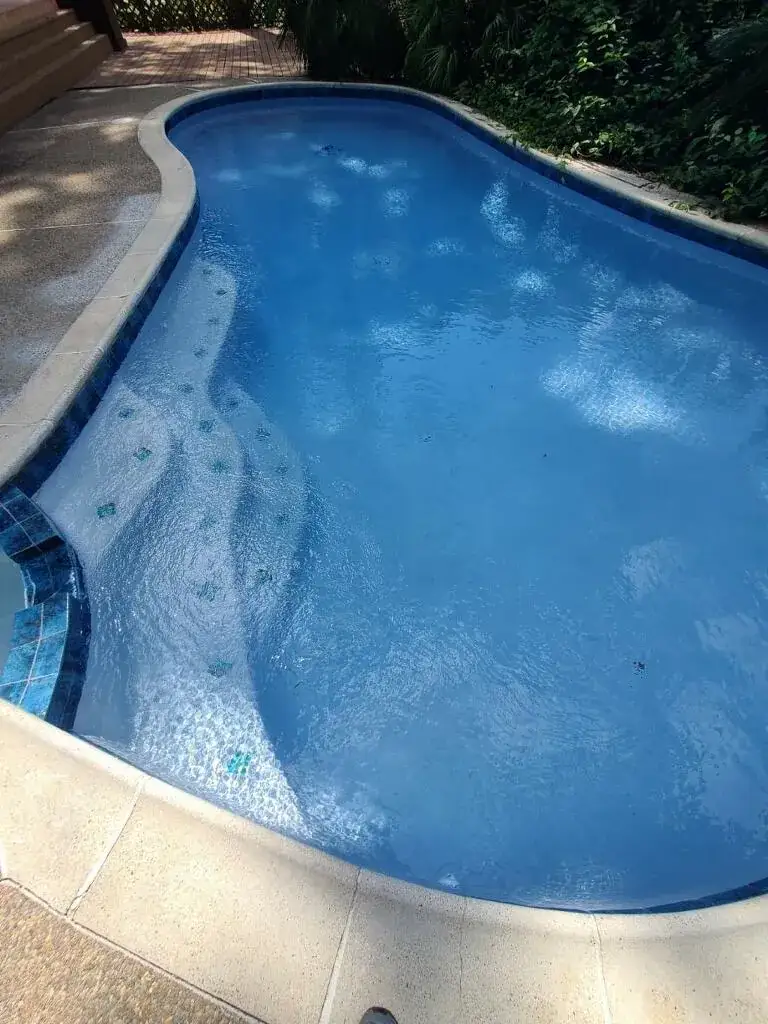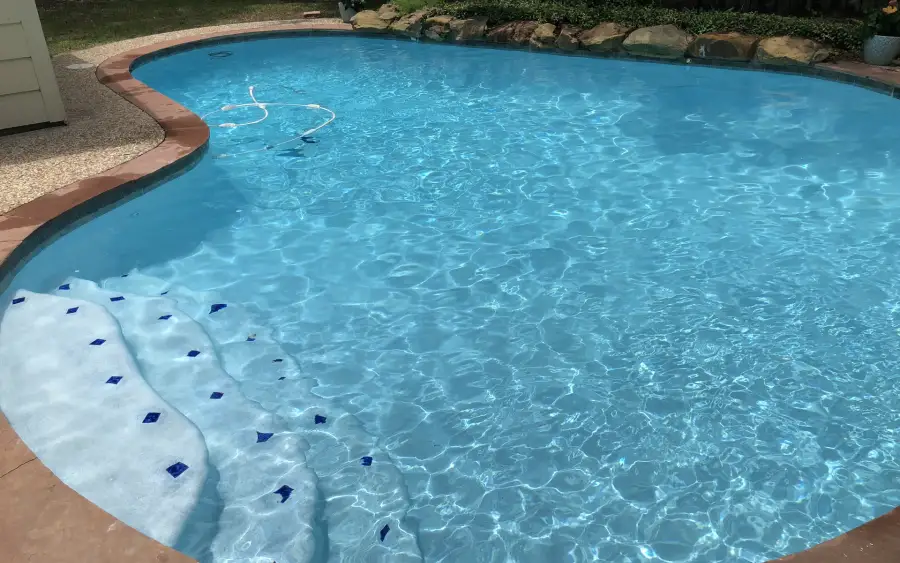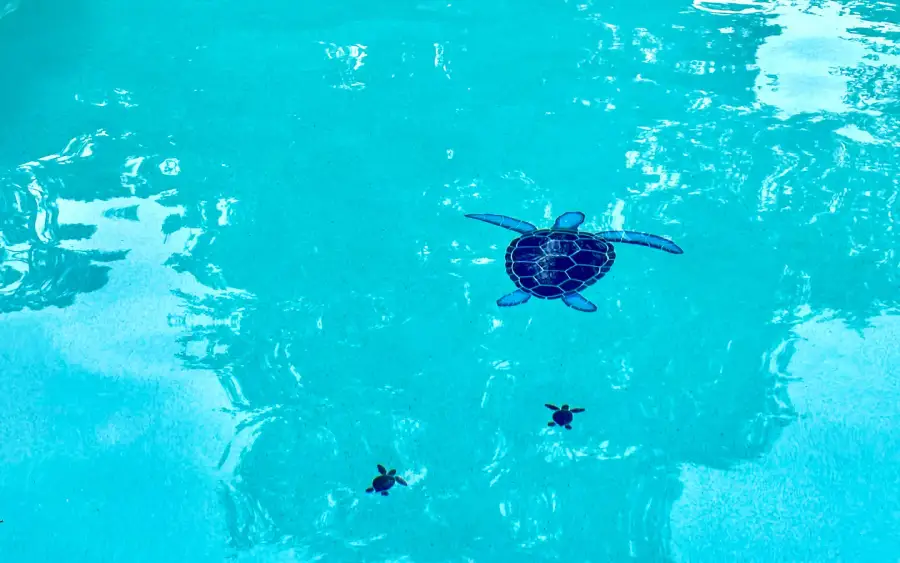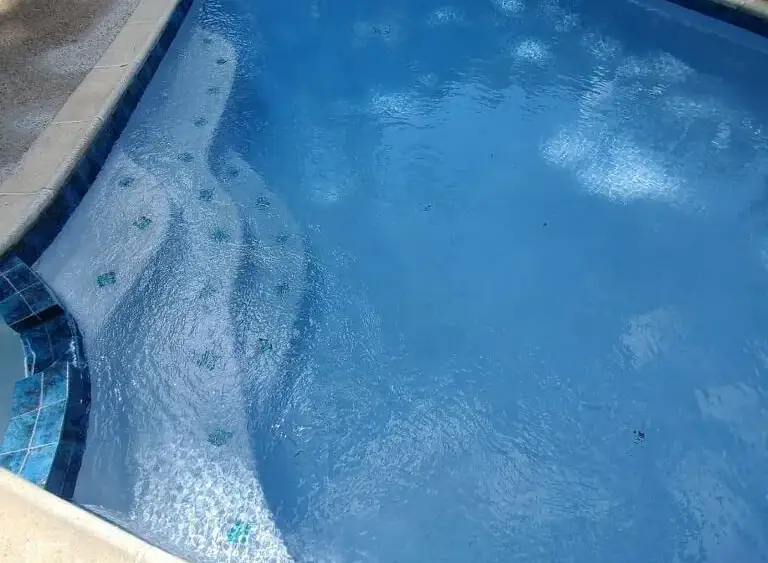
Pool plaster does not fail all at once. It wears gradually, and most owners live with it a year or two longer than they should — then wonder why the pool is so hard to keep clean. Here is how to tell whether your pool needs replastering, and when it can wait.
The signs
It is rough underfoot. Healthy plaster is smooth. Worn plaster feels like sandpaper, scrapes feet and snags swimsuits. Roughness also gives algae somewhere to cling, which means more brushing and more chemicals.
Stains will not brush out. Grey blotches, brown leaf stains and mineral marks that survive a stain treatment are usually in the plaster itself.
Flaking or hollow patches. Tap the steps and benches. A hollow sound or flakes coming away mean the finish has lost its bond. Those areas get worse, not better.
Visible cracks. Hairline surface cracks are common in old plaster; wider cracks or cracks that return after repair may reflect movement in the shell, which is worth looking at before replastering.
You have just bought an older house. Many buyers in Klein, Champions and the older parts of Spring inherit pools on their second or third finish.
How long plaster lasts in Houston
White plaster typically lasts around 10 to 15 years here, quartz somewhat longer, and pebble finishes longer again. Water chemistry decides the real number: pools that spend summers with low pH or high calcium wear out sooner. Heat and a long swim season do not help.
When it can wait
A few rough patches on an otherwise sound finish can be lived with. Staining is sometimes treatable without replastering. And if you are planning a bigger remodel in a year or two, it may be worth waiting and doing it all at once — tile, coping and finish together — so the pool is only drained once. Our pool remodeling page explains how that works.
What replastering involves
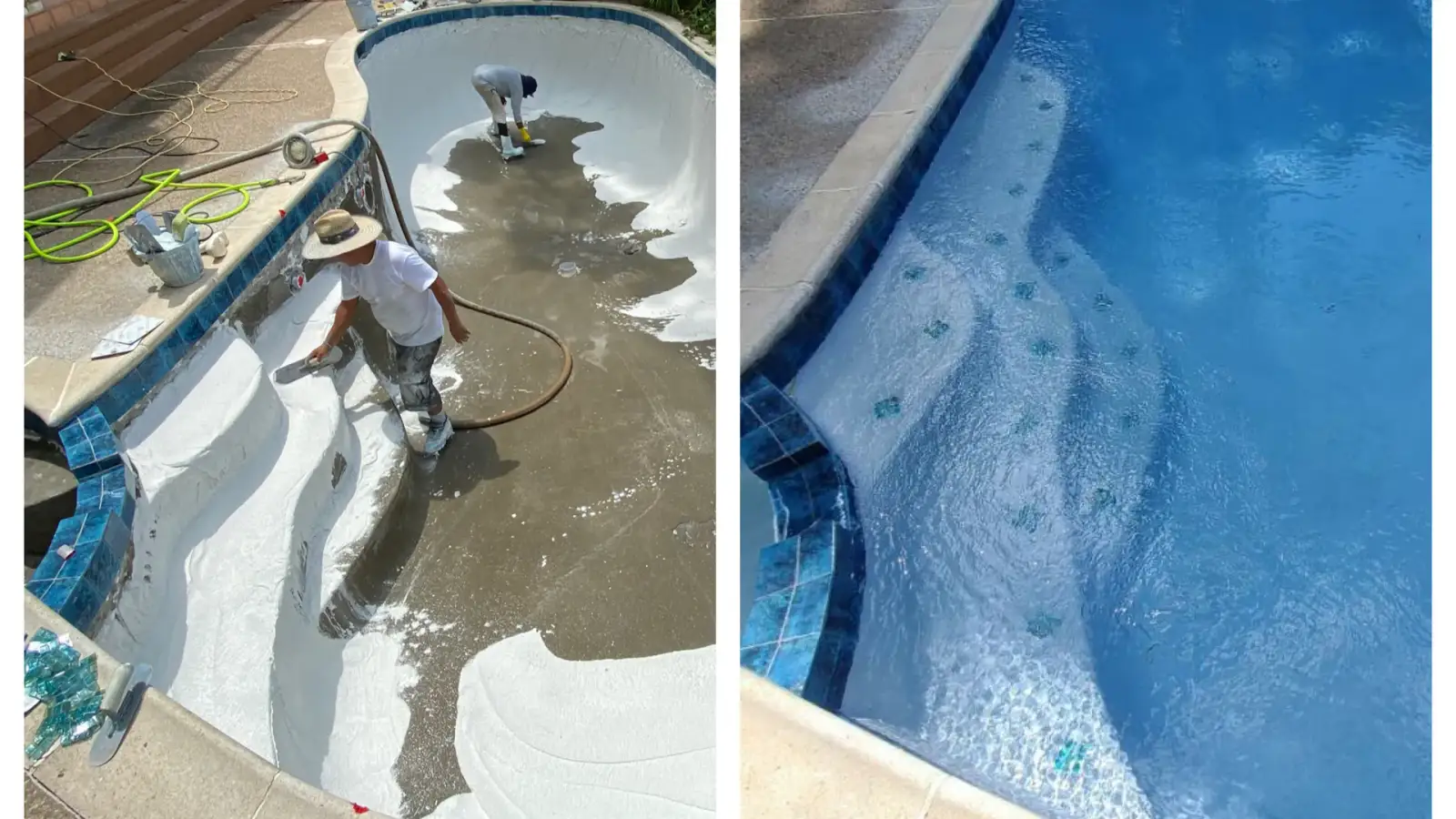
The pool is drained — carefully, because Houston groundwater can push on an empty shell — the old surface removed back to sound material, cracks and hollow spots repaired, and the new finish applied. Then comes the start-up period, when brushing and water chemistry decide how the finish looks for the next decade. See pool replastering and resurfacing for finishes, typical Houston prices and timing.
Our advice
If two or more of those signs apply, get it looked at. We will tell you honestly whether it needs doing now, can wait a season, or just needs better water balance.